Using AI for Advanced HVAC Predictive Maintenance Algorithms

Predictive Maintenance Algorithms

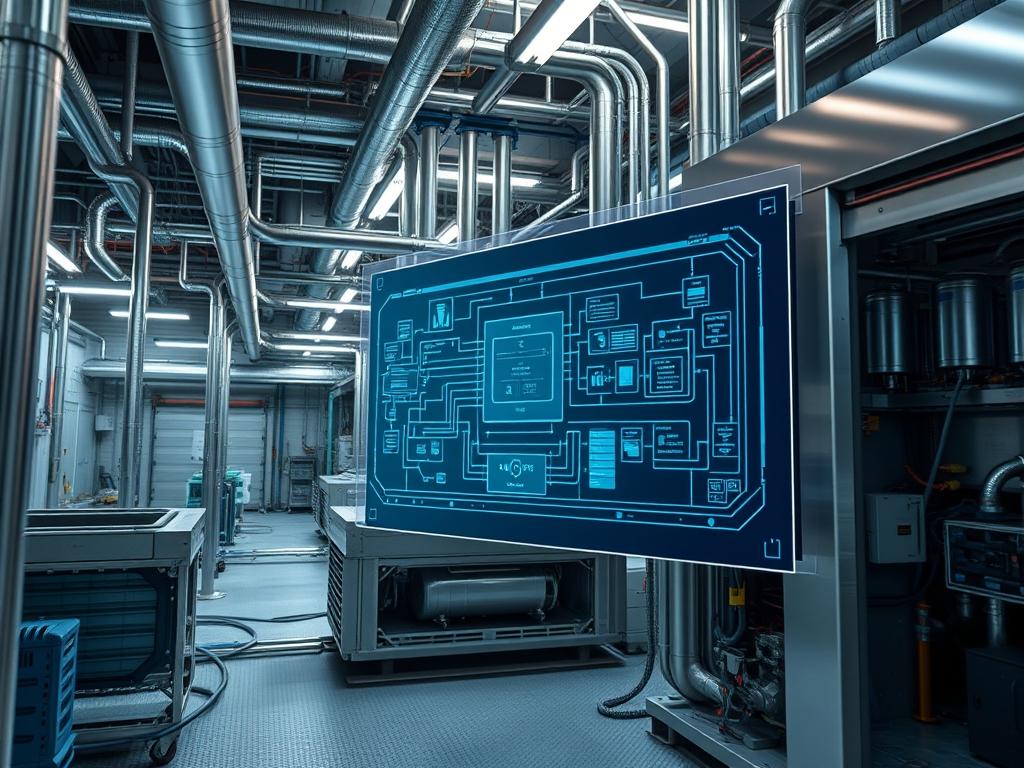
Predictive Maintenance Algorithms represent the critical intelligence layer within modern industrial HVAC systems; they bridge the gap between physical mechanical performance and digital twin simulations. Within a complex technical stack spanning Energy, Cloud, and IoT infrastructure, these algorithms function as the primary arbiter of system reliability. Traditional reactive maintenance models suffer from high operational overhead … Read more
Compliance and Diagnostic Standards for HVAC System Event Archiving

HVAC System Event Archiving

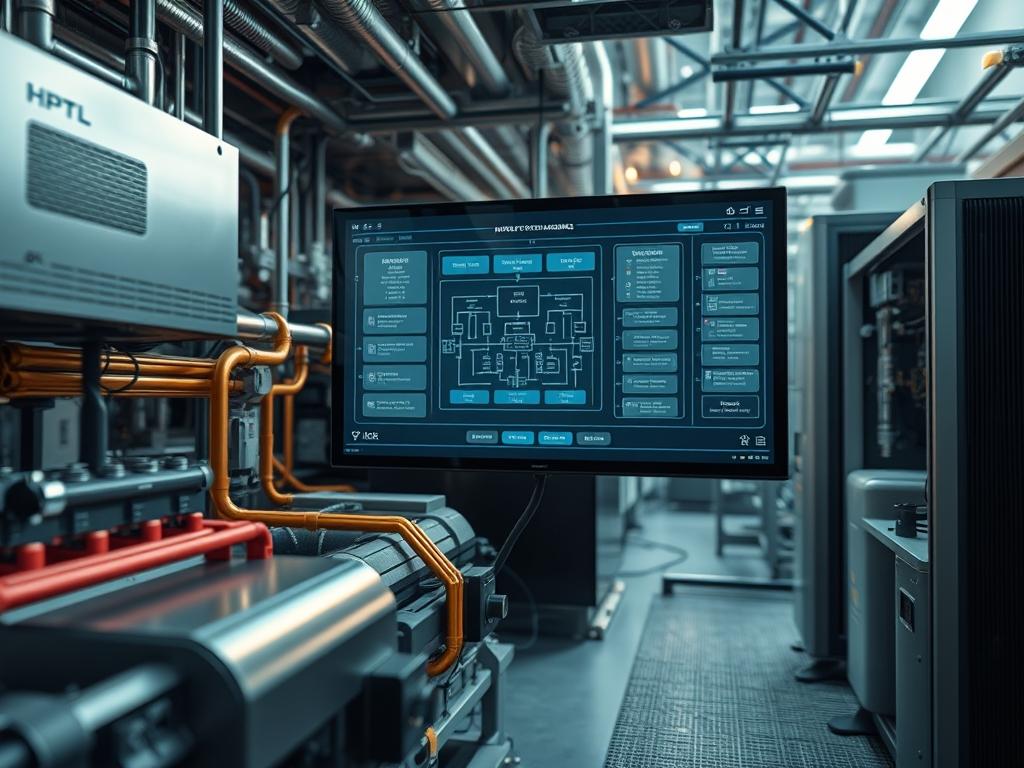
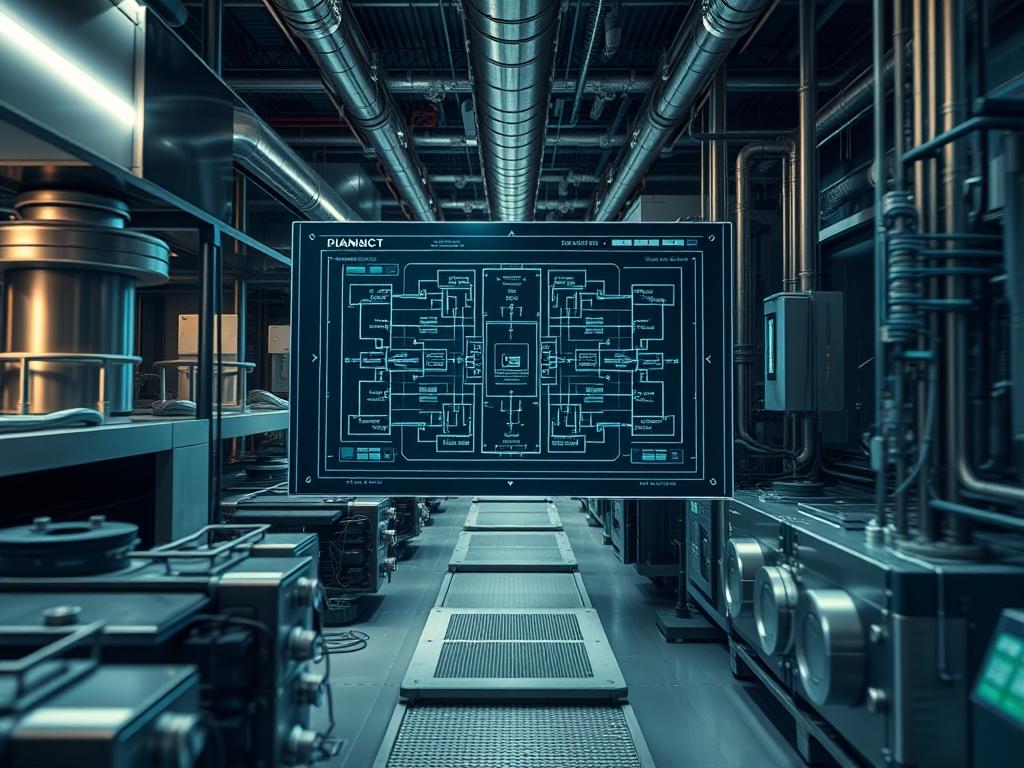
HVAC System Event Archiving functions as the critical evidentiary layer within contemporary building management systems. It serves as the bridge between fluctuating physical states and digital accountability; it ensures that every state change in a chiller, air handling unit, or variable air volume box is captured for forensic analysis and performance auditing. In the broader … Read more

Improving Residential Efficiency with Smart Vent Damper Control

Smart Vent Damper Control

Smart Vent Damper Control represents a mission critical architecture for optimizing the thermal-inertia management of modern residential structures. In the current landscape of high performance building envelopes; traditional static venting creates significant energy waste by heating or cooling unoccupied zones. This manual outlines the integration of active electromechanical dampers into an existing HVAC infrastructure to … Read more

Participating in Grid Support via HVAC Load Shedding Automation

HVAC Load Shedding Automation

HVAC Load Shedding Automation serves as a critical layer within the Demand Response (DR) technical stack; it bridges the gap between utility-scale energy management and localized building automation systems. As grid volatility increases due to the integration of intermittent renewable sources, the ability to modulate large-scale cooling and heating loads becomes an essential tool for … Read more

Using CO2 Sensors for Demand Controlled Ventilation Logic

Demand Controlled Ventilation Logic

Demand Controlled Ventilation Logic serves as the primary optimization layer within integrated Building Management Systems (BMS). It functions by dynamically modulating fresh air intake based on real-time occupancy data, primarily derived from Carbon Dioxide (CO2) concentrations. Traditional ventilation strategies rely on static, constant-volume airflow designed for peak occupancy. This legacy approach creates a significant energy … Read more

Optimizing Storage and Detail with HVAC Data Logging Intervals

HVAC Data Logging Intervals

HVAC Data Logging Intervals serve as the temporal heartbeat of building automation systems; they define the granularity of telemetry captured from ambient sensors, variable frequency drives, and caloric meters. Within a sophisticated technical stack involving Energy Management Systems (EMS) and cloud-based analytics, these intervals gate the flow of raw data into actionable intelligence. The core … Read more

Ensuring Precise Valve Control via Modulating Actuator Calibration

Modulating Actuator Calibration

Modulating Actuator Calibration represents the critical convergence of digital control logic and mechanical precision within heavy infrastructure environments such as power generation floral systems, municipal water treatment facilities, and complex industrial cooling loops. The primary objective is to synchronize the electronic control signal, typically originating from a PLC (Programmable Logic Controller) or DCS (Distributed Control … Read more

Reducing Operator Fatigue through HVAC Alarm Prioritization

HVAC Alarm Prioritization

HVAC Alarm Prioritization serves as the critical filtration layer within modernized Building Management Systems (BMS) and Industrial Control Systems (ICS). In high-density environments such as Tier IV data centers or large-scale semiconductor fabrication plants; the sheer volume of telemetry data can overwhelm human operators. This phenomenon, known as alarm fatigue, leads to increased latency in … Read more

Managing Commercial Portfolios with Remote Setpoint Adjustment Logic

Remote Setpoint Adjustment Logic

Remote Setpoint Adjustment Logic (RSAL) serves as the primary architectural bridge between physical building automation systems and cloud-based energy management platforms. In the context of large-scale commercial portfolios, managing environmental parameters across hundreds of geographically dispersed assets requires a centralized, automated approach to minimize operational overhead. This logic is not merely a remote-control interface; it … Read more

Protecting Building Automation via HVAC Cybersecurity Hardening

HVAC Cybersecurity Hardening

HVAC Cybersecurity Hardening is the systematic reinforcement of building automation systems (BAS) to mitigate unauthorized access, data exfiltration, and physical disruption of life safety systems. Modern HVAC architectures no longer function as isolated mechanical loops; they are deeply integrated into the facility technical stack alongside energy management, water distribution, and broader enterprise network infrastructure. This … Read more