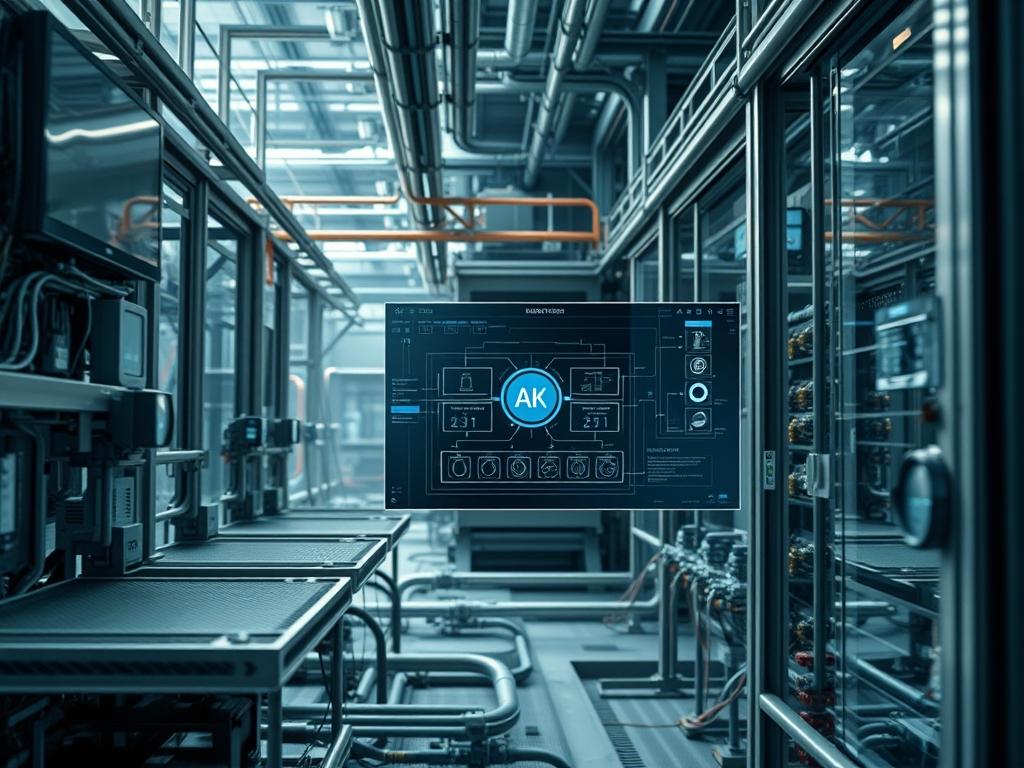
Scaling Management via Cloud Based HVAC Orchestration
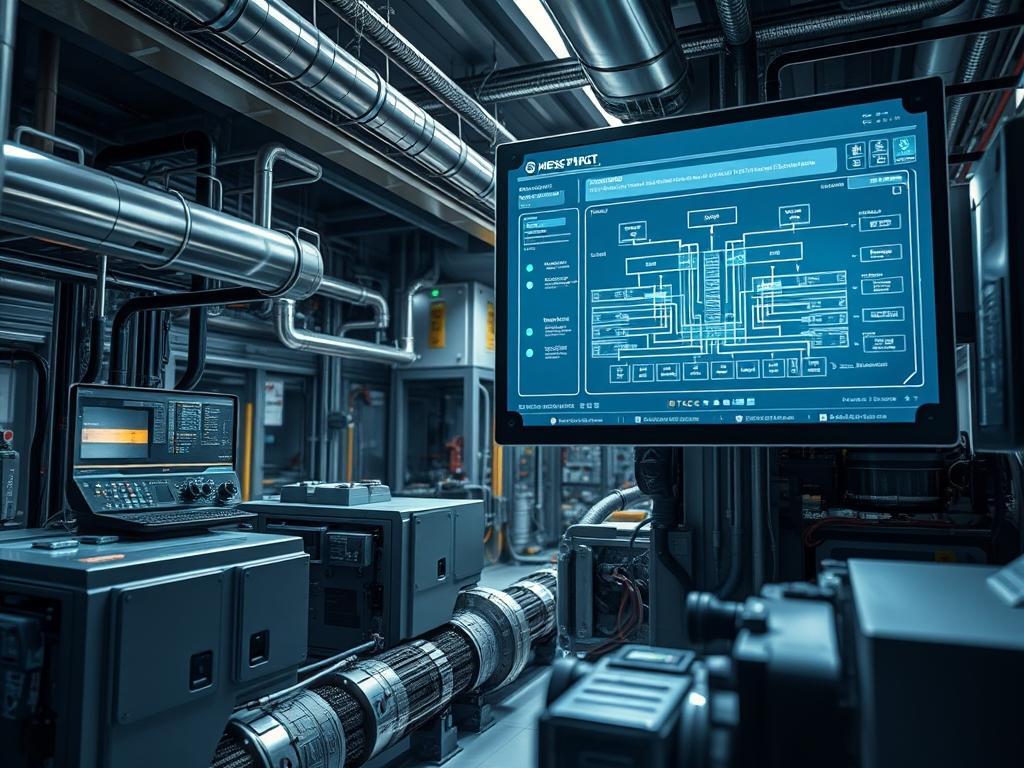
Cloud Based HVAC Orchestration

Cloud Based HVAC Orchestration represents the convergence of Building Management Systems (BMS) and cloud computing architectures. Traditional HVAC deployment relies on localized, air-gapped controllers that suffer from high latency in data reporting and manual maintenance cycles. By migrating the orchestration layer to the cloud, organizations achieve a centralized control plane capable of managing thousands of … Read more
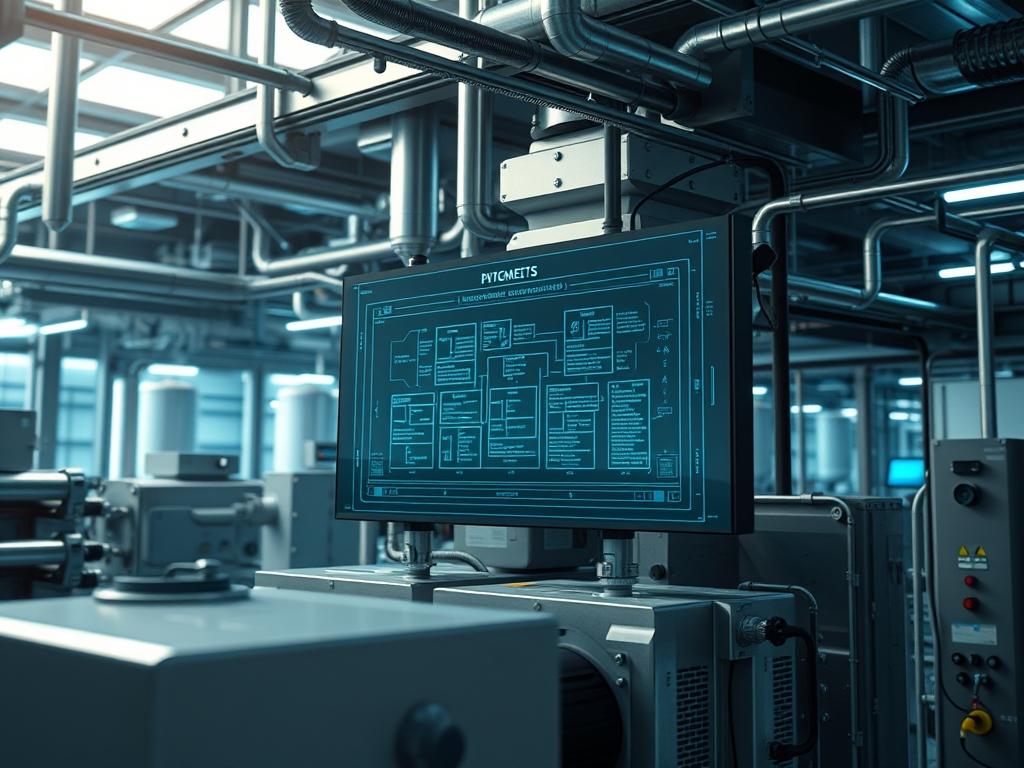

Managing Security through HVAC User Access Permissions

HVAC User Access Permissions

HVAC User Access Permissions represent the critical convergence between traditional industrial control systems (ICS) and modern enterprise network security. In the current landscape of smart infrastructure; heating, ventilation, and air conditioning systems are no longer isolated mechanical silos. They are networked assets operating within a broader technical stack that includes energy management, water reclamation, and … Read more

Integrating Feedback Loops into Smart Valve Communication

Smart Valve Communication

Smart Valve Communication serves as the critical intersection between high-level supervisory control and physical fluid dynamics within modern industrial infrastructure. In the context of energy production, water distribution, and chemical processing; the transition from simple motorized actuators to intelligent, networked valve systems is mandatory for maintaining operational integrity. The primary challenge in these environments is … Read more

Reducing Truck Rolls with HVAC Remote Diagnostics Tools

HVAC Remote Diagnostics Tools

The integration of modern HVAC Remote Diagnostics Tools shifts the operational paradigm from reactive maintenance to proactive digital oversight. By leveraging high-frequency telemetry and localized edge computing, these systems allow facilities managers to identify mechanical degradation before a sensory failure occurs. This technical shift significantly reduces the frequency of truck rolls by providing precise hardware … Read more

Standardizing Demand Response via OpenADR Integration for HVAC

OpenADR Integration for HVAC

OpenADR Integration for HVAC serves as the critical communication bridge between utility grid operators and building automation systems. In the modern energy infrastructure stack; this protocol standardizes how demand response signals are transmitted, received, and executed to maintain grid stability. HVAC systems represent the most significant discretionary load in commercial and industrial facilities; therefore, the … Read more

Extracting Operational Insights through HVAC Historical Data Analytics

HVAC Historical Data Analytics

HVAC Historical Data Analytics represents the technical bridge between physical thermodynamic states and digital infrastructure management. Within the modern technical stack, these analytics serve as a critical diagnostic layer for Energy, Water, and Cloud environments; ensuring that the thermal environment remains subservient to the operational requirements of the hardware. The primary problem addressed by HVAC … Read more

Maximizing Savings via HVAC Time of Use Scheduling Logic

HVAC Time of Use Scheduling

HVAC Time of Use Scheduling represents a critical layer in the modern industrial infrastructure stack; it sits at the intersection of building automation systems and smart grid energy management. By leveraging the thermal-inertia of physical structures, engineers can shift high-energy mechanical loads from peak demand periods to off-peak windows. This strategy effectively decouples the consumption … Read more

Coordinating Building Systems with Smart Lighting HVAC Link

Smart Lighting HVAC Link

Modern facility management requires the convergence of disparate subsystems into a unified operational framework. The Smart Lighting HVAC Link represents the critical synchronization layer between environmental lighting controls and thermal regulation assemblies. Historically, lighting and HVAC systems operated as isolated silos; this caused significant energy waste as air handling units remained active in unoccupied zones. … Read more

Processing Sensor Data via HVAC Edge Computing Gateways

HVAC Edge Computing Gateways

The emergence of HVAC Edge Computing Gateways represents a paradigm shift from centralized Building Management Systems (BMS) toward decentralized, real-time intelligence at the physical layer. These gateways serve as the critical interface between brownfield industrial hardware and modern data analytics stacks. By processing high-frequency sensor telemetry locally, these units mitigate latency issues inherent in cloud-only … Read more

Tracking Efficiency through Real Time HVAC Power Monitoring

Real Time Power Monitoring

Real Time Power Monitoring serves as the primary telemetry layer for analyzing industrial HVAC efficiency. By integrating high-resolution energy metrics into the broader infrastructure stack; architects can quantify the delta between operational setpoints and actual electrical consumption. This process involves the systematic capture of current; voltage; and phase-angle data to detect sub-optimal performance patterns such … Read more